



Selling life insurance in Australia comes with strict rules. Advisers must prove they gave the right advice, explained everything clearly, and kept proper records of every client conversation. This is especially true when a client is switching from one policy to another, or when checking if a policy is the right fit.
Many businesses are still not doing this well enough. They use paper forms, scanned documents, and notes written up days after the actual conversation. Regulators can see through this, and it creates serious risk.
Why Replacement and Suitability Cases Are High Risk
When an adviser tells a client to replace their existing policy, three things must be proven:
- The new policy was genuinely better for the client
- The client understood what they were agreeing to
- The records show exactly what was said and decided
Suitability checks work the same way. The adviser must show they looked at the client’s full situation before making a recommendation, not just their income or age, but their goals, existing cover, and financial position.
If a client complains later, everything comes down to what was written down. If the records are missing, incomplete, or don’t match what the client remembers, the business is in trouble. ASIC can investigate, fines can follow, and the reputational damage can be significant.
Why Paper-Based Processes Keep Failing
Most distribution networks still pass around paper forms, PDF declarations, and adviser notes collected from dozens or hundreds of advisers across the country.
Here is where it breaks down:
- A signed form only proves a form was signed. It does not prove the client understood the surrender costs or that the policy comparison was explained properly.
- A completed assessment only proves fields were filled in. It does not prove when it was done or whether the conversation described in it actually happened.
- Compliance teams often review these documents weeks after the advice was given. By then, fixing problems is costly and sometimes must be reported to regulators.
The bigger the distribution network, the worse this problem gets.
What Secure Video Changes
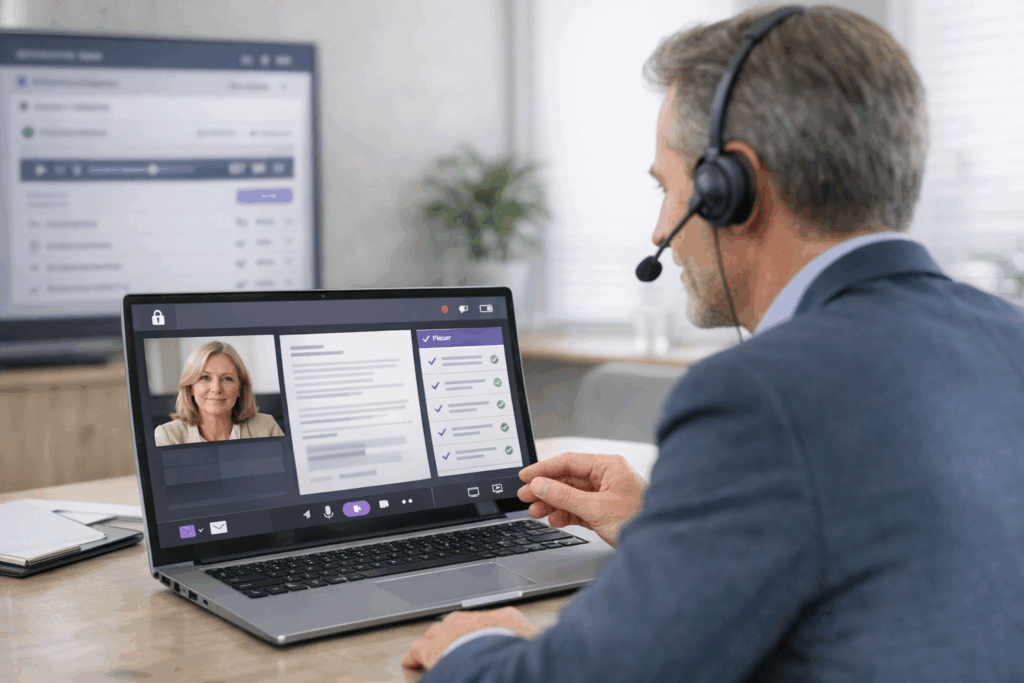
When an adviser has a recorded video session with a client, the recording itself becomes the proof. Not a form describing what happened. The actual conversation, captured, timestamped, and stored securely.
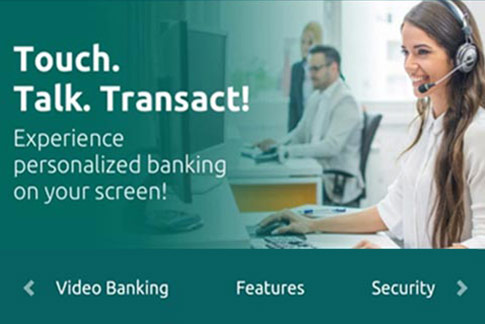
This is exactly what video personal discussion delivers in a life insurance context. The adviser and client meet on screen. Everything said is recorded. Everything agreed is on file. Nothing needs to be reconstructed later.
For compliance teams, this is a much stronger form of evidence:
- It satisfies documentation requirements under ASIC’s Regulatory Guide 175
- It directly supports the best interests duty
- It gives the business a clear, defensible record if a dispute ever comes up
Why Workflows Matter as Much as Recording
Recording a video is not enough on its own. The session needs to follow a set structure so nothing important gets missed.
Custom workflows inside a secure video platform can make sure:
- The adviser walks through the policy comparison before moving forward
- Surrender costs are explained and the client confirms they understand
- The client’s personal details and goals are captured during the session itself
When the workflow is built into the platform, there is no grey area. The replacement disclosure either happened or it did not. The suitability check was either completed or it was not. The session record shows exactly what occurred.
How This Helps Supervisors and Compliance Teams
Instead of reading through paperwork that describes a conversation, supervisors can watch the conversation. They can focus their time on higher-risk cases, advisers flagged for review, or complaints, rather than checking every form manually.
Platforms built for video KYC and video banking follow the same principle. A recorded and verified interaction is stronger evidence than any document. Life insurance distribution works the same way.
Co-browsing makes this even stronger. When an adviser shares a product disclosure document on screen during the session and walks through it with the client, that is all captured in the recording. Neither side can later claim the document was not shown or explained.
For insurance policy servicing conversations, such as reviewing cover, updating beneficiaries, or changing policy terms, the same approach applies. The record is created during the interaction, not pieced together afterward.
Growing Distribution Without Losing Compliance Control
Most life insurance businesses want to grow. More advisers, more clients, more policies. But as the network grows, keeping compliance standards consistent gets harder.
Secure video platforms solve this by putting compliance into the process itself:
- Sessions are recorded automatically
- Workflows ensure every required step is completed
- Documentation is produced from the session, not filed separately later
- Supervisors can review flagged sessions without going through mountains of paper
Compliance effort does not have to grow at the same rate as the distribution network. The platform does the heavy lifting.
What This Means for Leaders Making the Decision
The rules around replacement advice and suitability documentation in Australia are only getting stricter. What passed five years ago may not pass today.
Secure video gives distributors a straightforward way to meet these standards. The advice conversation becomes the compliance record. The workflow ensures nothing is skipped. The platform stores everything in one place.
The real question for distribution leaders, compliance heads, and risk teams is simple: are the tools being used today good enough to defend every advice conversation if a regulator asks to see the evidence tomorrow?